What Every Artist Website Should Include

I’m in the process of updating my artist website, so I did something that I rarely do; researched.
I do different things as an artist, such as writing books, illustrating, and doing photography, and though I could have a different website for each of these (which is what I did before), it is simply too much to manage. I still have my professional photography website (www.housestoriescanada.com), but I wanted my personal artist website to an online where all of my other work can live.
After scouring the internet for tips and advice, I’ve curated a list of everything that I think applies to me.
But First: Why Have a Website
Why does an artist even need a website? If you create art as a hobby, then having a website may not be important, but there are dozens of reasons why having one can be necessary to getting your work infant of an audience.
To have a presence - he first thing every artist needs to do before having an audience is to exist.
To have an online home for your art - a website can be a great place for the things you do can come together with images, words, and context.
To be reachable - because no one owns a phonebook anymore
To be relevant - we are constantly growing as artists, and a website is place where that should reflect that
To show credibility - because every professional needs a website

General Guidelines
Throughout my research, there are a few general principles for artist websites that came up again and again:
It should be clear and concise
Visitors should immediately have an idea who you are and what your art looks like
It should be easy to navigate
Art is subjective, its creation is often messy, and an artist’s mind is often in strange places, but having a central understanding of what you do and why it’s worth seeing is a great start at communicating your work to an audience in a clear and effective way. That doesn’t have to mean that you peel the mystery off of your art, you just need to present the gist of it in a cohesive way.
Menu Options
As mentioned, an artist’s website should be easy to navigate, which means the menu options should be minimal and intuitive. There are a few must-have pages:
Home page - this is the face of your website. Most likely it’s the first page that people will see, and it’s the place that they will form their first impression of you and your work, or at least be intrigued enough to dig a bit deeper. Like the rest of your website, it should be clean, and to the point, containing a title, an image, and your website's menu.
Work/Portfolio - this is where you get to show off your best work. It may be tempting to showcase everything you’ve ever done, especially if you’re just starting out, but this is an opportunity to curate your art and show off your best self. Generally your work should be organized into series of related themes. In any gallery, a good number of pieces to shoot for is 10-30. A brief description of each series will give context to your audience. For myself I have a separate page for photography, illustrations, and book, each divided into smaller, unified galleries.

About Page - let people get to know you. If you’re like me, this is the hardest thing to write. You’ll have to say nice things about yourself in a modest, but flattering way. You will probably want to mention some of your credentials, some of your achievements, but also make sure that your personality shines through. You might also want to include an ‘artist statement’ (a little blurb about your work), and you’ll definitely want to include a cool looking picture of yourself.

Contact Page - assuming you want to people to contact you, this is essential
Blog - this is my favourite part of a website. You can share information, show recent work, share some behind-the-scenes, or whatever tickles your fancy. There are an endless number if things that you can blog about that shows off your work, expertise, and personality. I’m so excited about blogs that I might write a separate blog post about them.
Social Media Links - whether you’re on Instagram, Twitter, FlipFlop, or Glurb, let people know where they can follow you.
Bonus Pages
Press Page - you can build on your credibility by showing all of the great things that has said about you in the media9
Store - obviously if you sell things this is the place to do it, whether you do it through your website or if it links to a serrate online shop.
Newsletter Opt-In - I love seeing examples of good newsletter. If you have a newsletter, let me know where I can opt-in
In Conclusion
Above all, your website should be reflection of you. It is an extension of your work, or at the very least, it is the package in which you and your work are presented to the world. It doesn’t have to be flashy, but it should be nice enough to make people want to stay.
By the time you are reading this, hopefully I will have finished updating my website, and it will be a gorgeous example of what a good artist website looks like. If you have any advice of your own, I would love to hear from you.

How Forest Animals Can Use Blogging for Business
Blogging can be a very effective way for businesses to achieve their desired outcomes, whether you’re a bear who organizes bespoke forest picnics, a beaver who offers tree removal services, a deer who polishes antlers, or a chipmunk who sells nuts. Let’s explore some of the benefits that blogging can bring to you…

More Traffic
Regularly creating fresh blog posts is known to bring traffic to websites, possibly long after the post is published if the content is evergreen (such as ‘The Best Way to Remove an Evergreen Trees’)

More Engagement
Blog posts can be fun, they can be educational, and they can even be inspirational. Whether you’re posting well thought out words, engaging images, or various videos, a blog can be a place that others are excited to visit. In short, good posts keeps your audience engaged, and gives them a reason to come back for more.
Show Your Expertise
Continuing from the last point, blogs can be a great way to position yourself as an authority in your field. When other animals see how knowledgeable you are about nuts, where do you think they will go for all of their nut needs? Probably not to the squirrel down the road who doesn’t know a walnut from a lug nut.
Convert Clients
Once you become a personable and trusted source of information in your field, it becomes much more likely that the traffic to your site will turn into clients. Others I’ll know exactly who to go to for all of their antler polishing needs.

Create Social Media Content
If your company is on social media (which it should be), blogs can provide you with valuable to content to share to these other platforms. Let’s say that you have written a 500 word blog post titled '10 Health Benefits of Going on Picnics'; you can likely repurpose this post into a series of bit-sized social media content, such as ‘Did you know that going on a picnic with your friends just twice a month can reduce stress levels by 30%?’, or ‘Picnics are great source of vitamin D, and vitamin fun!’.
Share News
Blogs also give you a platform to share news and updates about your business. Is there a new kind of nut on the market? Have you started offering hoof polishing as well? Are there any new tree removal restrictions that your potential clients should know about? What are the latest innovations in picnic baskets? You can use your blogs to keep your audience up to date.

Now that you’ve seen some of the benefits of blogging, let’s have a quick look at some general guidelines of what goes into a good blog post (we’ll more in-depth with these in another post):
Create a headline that is clear and interesting
Make sure that your introduction is engaging
Use sub-headings to break up the text and highlight key sections
Include compelling graphics
End with a ‘call to action’
There you have it! If you want to be the perfect picnic planner, a notable nut-seller, an awesome antler polisher, or a terrific tree remover, blogging is a wonderful way to make your business grow!
Library Finds - part 1
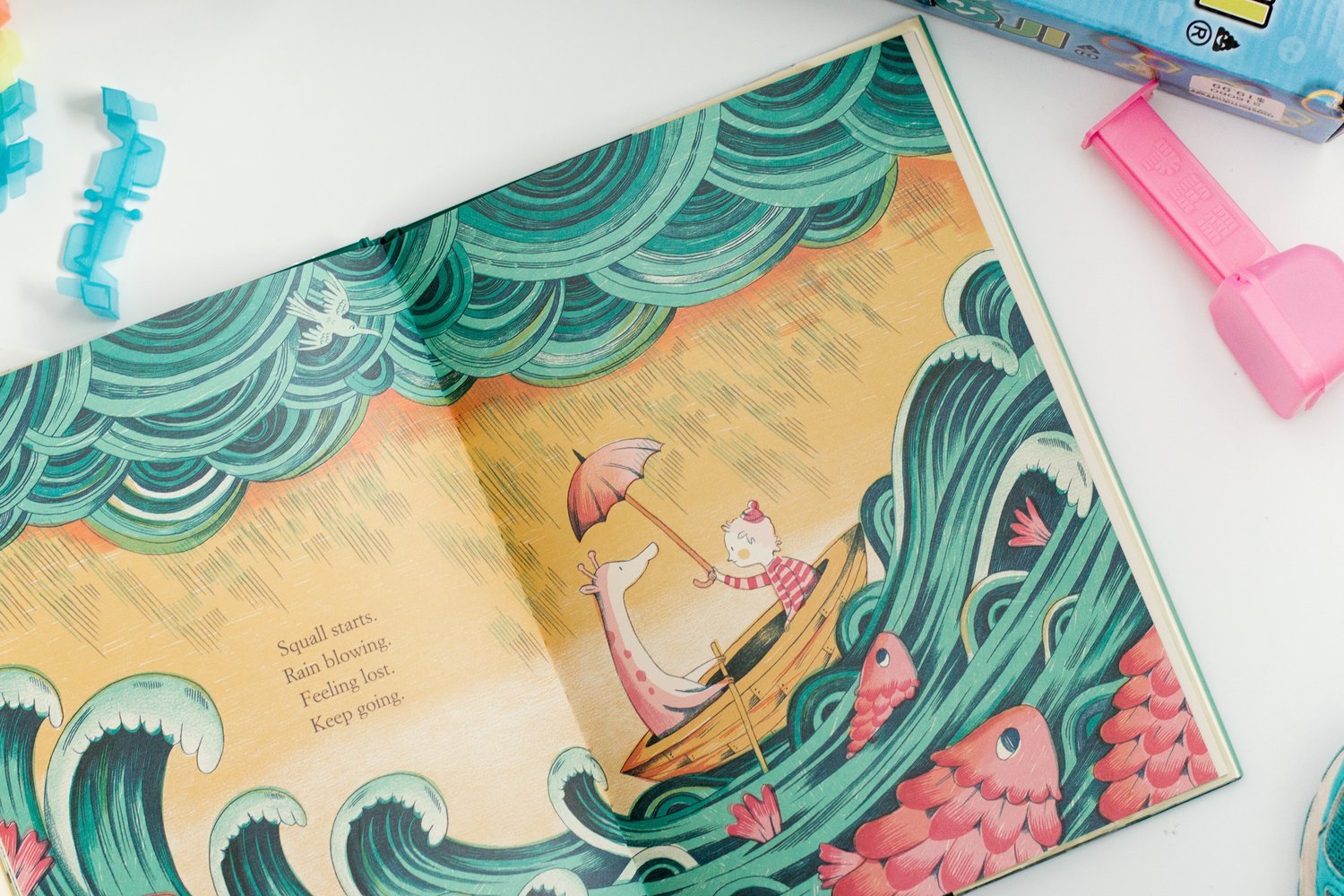
As a published picture book author, I love going to the library and exploring picture books with my kids; at any given time we usually have a stack of 20 or so in our home. There are so many great stories to tell, and so many ways to say them. Here are some of my favourite books we have discovered recently:

So Many Sounds
written by Tim McCanna, ilustrated by Andy J. Miller
I’m a big fan of the illustrator, Andrew Miller (also known as Andy J Pizza), for his podcast, ‘Creative PepTalk’, so I came across this book in the library I couldn’t wait to read it - and it didn’t disappoint. Tim‘s text exploring the different sounds that a child might experience throughout a day is fun, lyrical, and allowed Andy plenty of room to play with the illustrations in his fun style.
This book also has the credit of being the first book that my daughter read by herself (with a little help here are there). She has been learning to read for some time, and lately all of the sounds and letters have started to really click with her. We had a pile of library books sitting on the counter, and to our pleasant surprise she picked this one up and started reading the words, ending the book to an enthusiastic round of applauses.

Story Boat
written by Kyo Maclear, illustrated by Rashin Kheiriyeh
I don’t always cry when I read picture books, but sometimes I do. ‘Story Boat’ is a story about two young refugees, a sister and brother, making their way to a new and unknown life. Through their exhausting journey, they find refuge in their imaginations and the few familiar things that they have in their possession. It is beautifully written, and the illustration style fits perfectly in the thin layer between the real and imaginative worlds created by the young characters.


The Yellow Kayak
written by Nina Laden, illustrated by Melissa Castrillon
When reading a book I sometimes try to decide which illustration is my favourite. With this book, every single page is an amazing work of art. The light, poetic text is fun to read, taking you on a lovely evening adventure.

Bug Club
written and illustrated by Elise Gravel
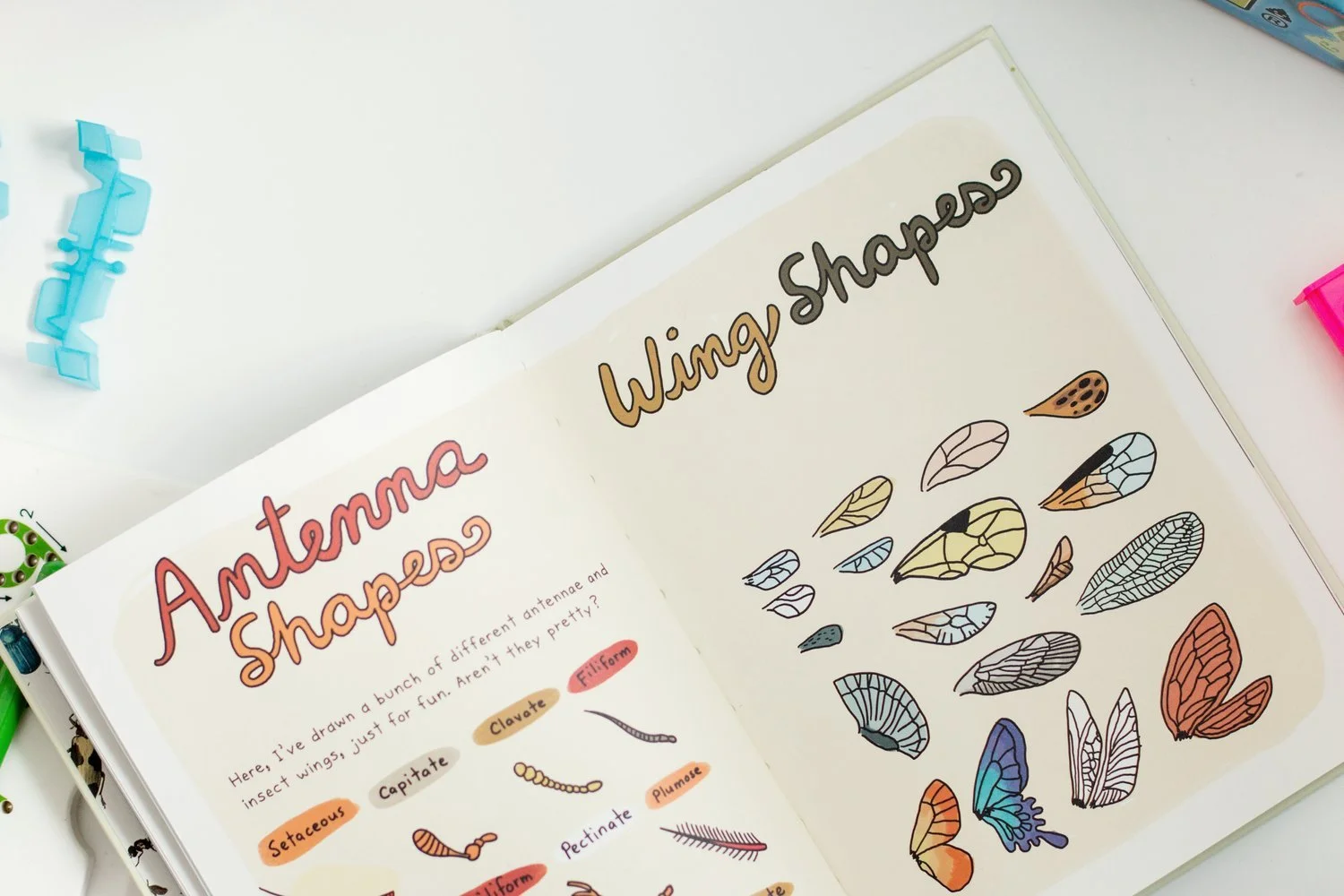
Elise Gravel is one of my favourite Illustrators. Her love of the world and every little thing in it is apparent in all of her work. In this book she uses her uniquely adorable illustrations to share her love of the tiny world of bugs. I happen to love bugs as well, and my 4 year old loves anything that moves, so this book was a big hit at our house.

The Weather Girls
written and illustrated by Aki
This is a cute book all about the different seasons. The illustrations are so simple, but they capture a lot of subtle details and are well composed. The text is fun to read, making for a playful little jaunt through the different seasons.


Sad Book
written by Michael Rosen, illustrated by Quentin Blake
As you can probably guess, this isn’t the most colourful or upbeat book on the shelf, but it is a gentle, poetic reflection about sadness. Quentin Blake’s illustrations are always perfectly beautiful.

Morning Tea
These are part of an ongoing project that I’m working on. If you like tea and you like mornings, then you’ll probably like these.


Welcome to the Beef Blog
it's a fun place

-
2026
- Feb 12, 2026 Gold Bar School Artist Residency Feb 12, 2026
-
2024
- Jul 24, 2024 32 Illustrated Kids Jokes Jul 24, 2024
- Jun 19, 2024 My Favourite Picture Book About Death Jun 19, 2024
- Apr 3, 2024 School Writing Workshop: Moon Trees Apr 3, 2024
- Mar 27, 2024 School Writing Workshop: The Amazing Tube Mar 27, 2024
- Mar 20, 2024 School Writing Workshop: The Last Page Mar 20, 2024
- Jan 14, 2024 My First Colouring Wall Jan 14, 2024
-
2023
- Dec 29, 2023 Wings of Wisdom: IB Learner Profile posters for St. John's School Dec 29, 2023
- Dec 29, 2023 Festive Fables Vol.1 Dec 29, 2023
- Aug 2, 2023 The Importance of Story Writing for Ages 4-6 Aug 2, 2023
- Mar 19, 2023 Lunchbox Jokes Mar 19, 2023
- Mar 19, 2023 The IB Learner Profile Classroom Posters Mar 19, 2023
- Feb 1, 2023 Library Finds - part 3 Feb 1, 2023
-
2022
- Jul 2, 2022 IB Learner Profiles Posters Jul 2, 2022
- May 29, 2022 Library Finds - part 2 May 29, 2022
- Apr 24, 2022 What Every Artist Website Should Include Apr 24, 2022
- Mar 19, 2022 How Forest Animals Can Use Blogging for Business Mar 19, 2022
- Feb 22, 2022 Library Finds - part 1 Feb 22, 2022
- Feb 19, 2022 LinkedIn Feb 19, 2022
-
2018
- Oct 26, 2018 Morning Tea Oct 26, 2018
- Oct 26, 2018 the International Baccalaureate - Key Concepts posters Oct 26, 2018
- Oct 25, 2018 the IB Approaches to Learning Oct 25, 2018
- Oct 19, 2018 Happy Birthday Maddy Oct 19, 2018
-
2017
- Oct 19, 2017 Bees! Oct 19, 2017
- Mar 27, 2017 Eastside Flea (my first market experience) Mar 27, 2017
-
2016
- Dec 27, 2016 the 4th Annual Land of Le Beef Christmas Advent Calendar Dec 27, 2016
- Oct 26, 2016 Maddy's Favourite Toys Oct 26, 2016
- Sep 24, 2016 IB Learner Profile Posters Sep 24, 2016
- Aug 22, 2016 Dear Diary... Aug 22, 2016
- Mar 23, 2016 Goldilocks & the Three Bears Mar 23, 2016
- Mar 4, 2016 Three Blind Mice Mar 4, 2016
- Mar 3, 2016 Bob the Rabbit Mar 3, 2016
- Feb 29, 2016 Storybook Sketches Feb 29, 2016
- Feb 8, 2016 Year of the Monkey Feb 8, 2016
- Feb 1, 2016 A Crab with a Straw Feb 1, 2016
- Jan 8, 2016 Dear Diary: Chapter 5 Jan 8, 2016
-
2015
- Dec 25, 2015 The 3rd Annual 2015 Land of Le Beef Christmas Advent Calendar: Hollywood Edition Dec 25, 2015
- Nov 25, 2015 Dear Diary: Chapter 4 Nov 25, 2015
- Oct 22, 2015 Another Six Random Things Oct 22, 2015
- Oct 19, 2015 the Adventures of Maddy and Alphapup Oct 19, 2015
- Oct 8, 2015 Six More Things Oct 8, 2015
- Oct 8, 2015 the Buildings of Hong Kong Oct 8, 2015
- Sep 20, 2015 Six Things Sep 20, 2015
- May 5, 2015 Doodles & Stuff - a Javier Perez Inspired Class Project May 5, 2015
- Apr 17, 2015 Octographer Apr 17, 2015
- Apr 16, 2015 32 Bottles of Beer | part 2 Apr 16, 2015
- Mar 30, 2015 Hey Diddle Diddle Mar 30, 2015
- Mar 5, 2015 What a Wonderful World Mar 5, 2015
- Feb 24, 2015 32 Bottles of Beer | part 1 Feb 24, 2015
- Jan 1, 2015 The 2014 Second Annual Land of Le Beef Christmas Advent Calendar: Classic Toys Edition Jan 1, 2015
-
2014
- Nov 24, 2014 It's Jibo! Nov 24, 2014
- Oct 31, 2014 It's a Halloween Spooktacular Oct 31, 2014
- Sep 26, 2014 Cartooning 101 Sep 26, 2014
- Sep 2, 2014 That's Not a Knife Sep 2, 2014
- Sep 2, 2014 The Couch and the Lamp Sep 2, 2014
- Aug 12, 2014 Research and Development Aug 12, 2014
- Jun 20, 2014 Coming Soon to a Womb Near You... Jun 20, 2014
- May 21, 2014 Mother's Day May 21, 2014
- May 2, 2014 A Fine Feathery Mess May 2, 2014
- Apr 3, 2014 Sizzling Apr 3, 2014
- Apr 3, 2014 Evernote Apr 3, 2014
- Mar 27, 2014 Broken Pig Mar 27, 2014
- Mar 26, 2014 When life gives you lemons Mar 26, 2014
- Mar 25, 2014 Every dog has its day Mar 25, 2014
- Feb 26, 2014 Breakfast Cereals Feb 26, 2014
- Feb 19, 2014 Under the Sea Feb 19, 2014
- Feb 14, 2014 A Very Beefy Valentines Day Feb 14, 2014
- Feb 6, 2014 Year of the Horse, 2014 Feb 6, 2014
- Feb 3, 2014 Horsing Around Feb 3, 2014
- Jan 23, 2014 Gratitude - Staedtler and Uni-Ball Jan 23, 2014
- Jan 17, 2014 the Beef Jan 17, 2014
-
2013
- Dec 25, 2013 Merry Christmas Dec 25, 2013
- Dec 12, 2013 Snowmen! Snowmen! Snowmen! Dec 12, 2013
- Dec 1, 2013 the first annual Land of Le Beef 'Christmas Advent Calendar' Dec 1, 2013
- Nov 28, 2013 a fish out of water Nov 28, 2013
- Oct 31, 2013 Halloween Monster Spectacular Oct 31, 2013
- Oct 7, 2013 birthday gecko Oct 7, 2013
- Sep 30, 2013 Woodland Classroom Animals Sep 30, 2013
- Sep 23, 2013 International Talk Like a Pirate Day Sep 23, 2013
- Sep 16, 2013 the Montessori Academy Sep 16, 2013
- Sep 9, 2013 me and my can-opener Sep 9, 2013
- Aug 26, 2013 woodland murals Aug 26, 2013
- Jun 9, 2013 art adventure day! Jun 9, 2013
- Jun 9, 2013 incoming Jun 9, 2013
- May 17, 2013 Yellow Brick Road May 17, 2013
- May 10, 2013 Awkward May 10, 2013
- May 6, 2013 dinner for two May 6, 2013
- Apr 30, 2013 a royal flush Apr 30, 2013
- Apr 29, 2013 send in the clowns Apr 29, 2013
- Apr 24, 2013 Rocky XIII Apr 24, 2013
- Apr 17, 2013 the 4 food groups Apr 17, 2013
- Apr 8, 2013 the thunder from down under Apr 8, 2013
- Apr 4, 2013 I love the smell of easter in the morning Apr 4, 2013
- Mar 24, 2013 hot potato Mar 24, 2013
- Mar 17, 2013 a st. patrick's day extravaganza Mar 17, 2013
- Mar 11, 2013 a fresh take on an old classic Mar 11, 2013
- Mar 6, 2013 what's new, pussy cat? Mar 6, 2013
- Mar 4, 2013 do the harlem shake Mar 4, 2013
- Feb 26, 2013 warm-hearted tickle machine Feb 26, 2013
- Feb 21, 2013 why can't we all just get along? Feb 21, 2013
- Feb 15, 2013 birthday buddies Feb 15, 2013
- Feb 8, 2013 chinese new year Feb 8, 2013
-
2012
- Dec 25, 2012 holiday special Dec 25, 2012
- Oct 31, 2012 spooooooky Oct 31, 2012